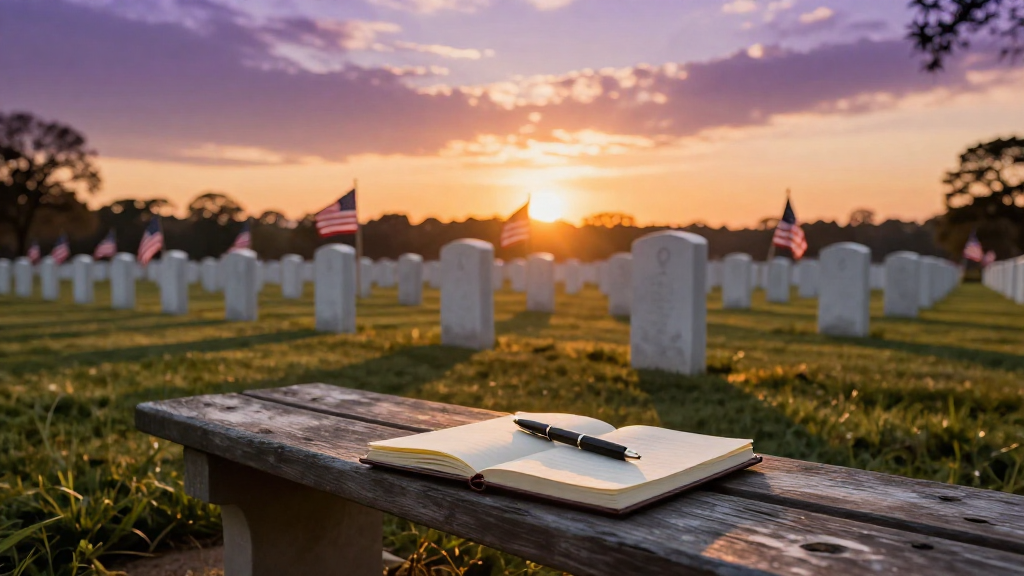
In this article, we will explore how to write an obituary including military service, ensuring that you honor the life and contributions of your loved one.
What is an Obituary?
An obituary is a notice of a person’s death, typically published in a newspaper or online. It serves not only as an announcement but also as a tribute to the deceased’s life. An obituary often includes details such as the deceased’s name, age, and the date and place of their passing, as well as information about their life achievements, family, and contributions.
Purpose of an Obituary
The primary purpose of an obituary is to inform the public about a person’s death. It also serves as a way to celebrate the individual’s life and achievements. Many families use obituaries as a means to invite the community to memorial services, providing essential details about the service.
Components of an Obituary
Typically, an obituary consists of several key components:
- Full Name: The deceased’s full name, including any nicknames.
- Date of Birth: The date when the individual was born.
- Date of Death: The date of their passing.
- Military Service: Information about their military background.
- Surviving Family: Names of surviving family members.
- Memorial Services: Details about funeral or memorial events.
How Do You Include Military Service?
Including military service in an obituary is essential for honoring a veteran’s contributions. It highlights their dedication and sacrifices made for their country.
Details to Include
When mentioning military service in an obituary, consider including the following details:
- Branch of Service: Specify which branch the individual served in, such as the Army, Navy, Air Force, or Marines.
- Rank Achieved: Mention the highest rank attained during their service.
- Years of Service: Outline the duration of their service, including enlistment and discharge dates.
- Significant Achievements: List any notable achievements, awards, or honors received during their military career.
Why Military Service Matters in an Obituary
Highlighting military service in an obituary serves several purposes:
- Honoring Sacrifice: It acknowledges the sacrifices made by the individual for their country.
- Creating Legacy: It helps in building a legacy that reflects their pride and patriotism.
- Encouraging Connection: Fellow veterans and community members may feel a connection through shared experiences.
What Tone Should You Use?
The tone of an obituary, especially one including military service, should be respectful and reflective. It’s important to create a balance between mourning the loss and celebrating the life lived.
Maintaining Respectful Language
Using respectful language is crucial when writing about the deceased’s military service. Here are some tips:
- Use Formal Titles: Address the individual by their formal military title when applicable.
- Avoid Clichés: Try to avoid clichés that might detract from the personal nature of the obituary.
- Be Honest: While it’s important to celebrate their achievements, honesty about their life experiences creates authenticity.
Creating an Emotional Connection
To foster a connection with readers, consider incorporating personal anecdotes about the individual’s military service. This could include:
- Memorable Stories: Share a story that highlights their character and bravery.
- Family Impact: Discuss how their military service impacted their family and community.
- Values and Lessons: Reflect on the values they instilled in others through their service.
Where Should You Publish the Obituary?
Publishing an obituary is an important step in honoring the deceased. It allows others to pay their respects and share in the mourning process.
Traditional vs. Online Publications
Deciding where to publish an obituary often involves weighing traditional methods against modern options:
- Newspaper: A traditional newspaper obituary can reach a wide audience, especially in local communities.
- Online Platforms: Many families choose online platforms, which often allow for greater personalization and sharing.
- Social Media: Sharing the obituary on social media can help spread the word quickly and reach a broader audience.
Consideration for Veterans’ Organizations
Publishing in veterans’ organizations or community bulletins can also be a respectful way to honor military service. This allows for:
- Community Support: Fellow veterans may want to pay their respects.
- Networking: It can facilitate connections with others who share similar experiences.
- Tributes: Organizations may have specific tribute pages dedicated to honoring veterans.
How Can You Personalize the Obituary?
Personalizing an obituary is essential for capturing the essence of the individual. Adding unique touches can create a lasting tribute that resonates with readers.
Incorporating Hobbies and Interests
Including the deceased’s hobbies and interests can make the obituary feel more personal. Consider mentioning:
- Favorite Activities: List activities they enjoyed outside of their military service.
- Community Involvement: Note any local organizations or charities they supported.
- Family Traditions: Share family traditions that reflect their personality and values.
Quotes and Memories
Including quotes or memories from family and friends can add a heartfelt touch to the obituary:
- Favorite Quotes: A quote that resonates with the individual’s beliefs can be impactful.
- Personal Reflections: Incorporate short reflections from loved ones to illustrate their character.
- Humorous Anecdotes: Light-hearted stories can provide balance and showcase personality.
Conclusion
Writing an obituary including military service is a meaningful way to honor a loved one. By focusing on their life, achievements, and military contributions, you can create a respectful and enduring tribute. Remember to use clear language, maintain a respectful tone, and personalize the obituary to reflect who they were in life. This will ensure that their memory lives on in the hearts of those who read it.