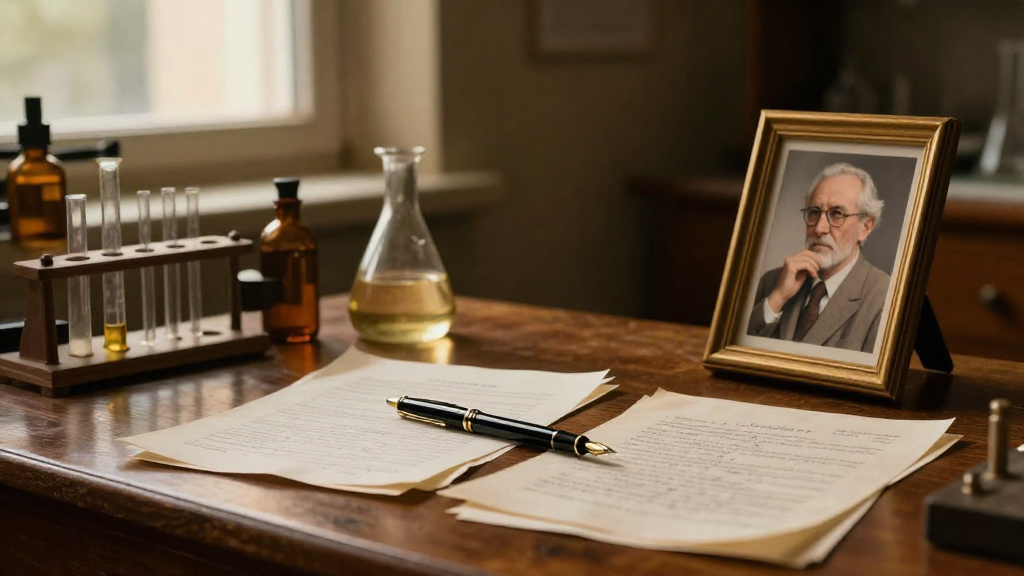
Writing an obituary is a meaningful way to commemorate the life and achievements of a scientist. This article will guide you through the process of how to write an obituary for a scientist, ensuring that you capture their essence and contributions.
What is an Obituary?
An obituary is a notice of a person’s death, typically published in a newspaper or online. It often includes a brief biography, details about the deceased’s life, and information about memorial services.
Purpose of an Obituary
The primary purpose of an obituary is to inform the public about the death of an individual. It serves as a way to celebrate their life and achievements, especially for someone in the scientific community.
Elements of an Effective Obituary
- Full Name: Include the full name of the deceased, along with any titles or degrees that highlight their professional standing.
- Date of Birth and Death: Provide the dates to give context to their life span.
- Career Highlights: Mention their significant contributions and roles within their field.
Why is it Important to Write an Obituary for a Scientist?
Writing an obituary for a scientist is crucial for several reasons. It honors their legacy and ensures that their contributions to science are remembered and recognized.
Honoring Contributions
Scientists often dedicate their lives to research and innovation. An obituary serves as a tribute to their hard work and achievements, allowing their influence to be acknowledged.
Informing the Community
An obituary informs colleagues, students, and the scientific community about the passing of a prominent figure. This can foster discussions about their work and its impact on future generations.
Providing Closure
For friends and family, an obituary can provide a sense of closure. It allows loved ones to reflect on the life of the deceased and find comfort in their achievements.
What Information Should be Included?
To effectively write an obituary for a scientist, certain critical elements should be included to create a comprehensive picture of their life and work.
Biographical Information
Start with basic biographical information such as the full name, date of birth, and date of death. This foundational data sets the stage for the rest of the obituary.
Academic and Professional Background
- Education: Detail the educational institutions attended and degrees earned.
- Career Path: Summarize the scientist’s career, including notable positions held and institutions worked at.
Achievements and Contributions
Highlight significant achievements, such as awards, publications, and groundbreaking research. This section is crucial to illustrate the impact the scientist had in their field.
How to Structure the Obituary?
Structuring the obituary properly is key for clarity and emotional resonance. A well-organized obituary will guide readers through the scientist’s life in a logical manner.
Introduction
The introduction should briefly state who the individual is, including their name and what they are known for. This sets the tone and provides immediate context.
Body of the Obituary
- Early Life: Discuss the early years and formative experiences that shaped the scientist’s career.
- Career Highlights: Provide an overview of the scientist’s career, focusing on key contributions to their field.
- Personal Life: Share bits about their personal life, such as family, hobbies, and interests that humanize them.
Conclusion
The conclusion should include memorial service details (if applicable) and an invitation to celebrate the scientist’s life. End on a positive note, reflecting on their legacy.
How Can You Make It More Personal?
Adding personal touches to the obituary can help convey the essence of the scientist beyond their professional life. This makes the obituary more relatable and heartfelt.
Include Personal Anecdotes
Sharing a personal story or memory can illustrate the scientist’s character and values. It adds depth and offers a glimpse into their personality.
Incorporate Quotes
- From the Deceased: If possible, include a quote from the scientist that reflects their philosophy or approach to life.
- From Colleagues or Family: Adding quotes from those who knew them well can enrich the narrative.
Highlight Their Passions
Discuss the scientist’s interests outside of their professional work. This might include hobbies, volunteer work, or other passions that were important to them.
What Should You Avoid?
While it’s important to celebrate the life of a scientist, there are several things you should avoid when writing an obituary to ensure it remains respectful and appropriate.
Negative Comments
Keep the obituary positive and focused on the achievements of the individual. Avoid any negative remarks or criticisms that may detract from their legacy.
Overly Technical Language
- Consider Your Audience: Use language that is accessible to a broad audience, avoiding overly technical jargon that may confuse readers.
- Simplicity is Key: Focus on clarity to ensure the obituary is easily understood by everyone.
Long-windedness
While detail is important, avoid making the obituary excessively long. Aim for conciseness while still providing enough information to honor the individual.
Conclusion
Writing an obituary for a scientist is an important task that requires thoughtfulness and attention to detail. By following these guidelines, you can create an obituary that honors their legacy, celebrates their contributions, and provides comfort to those mourning their loss. Remember, the goal is to reflect on their life and achievements while offering a meaningful tribute that resonates with their family, friends, and the broader scientific community.