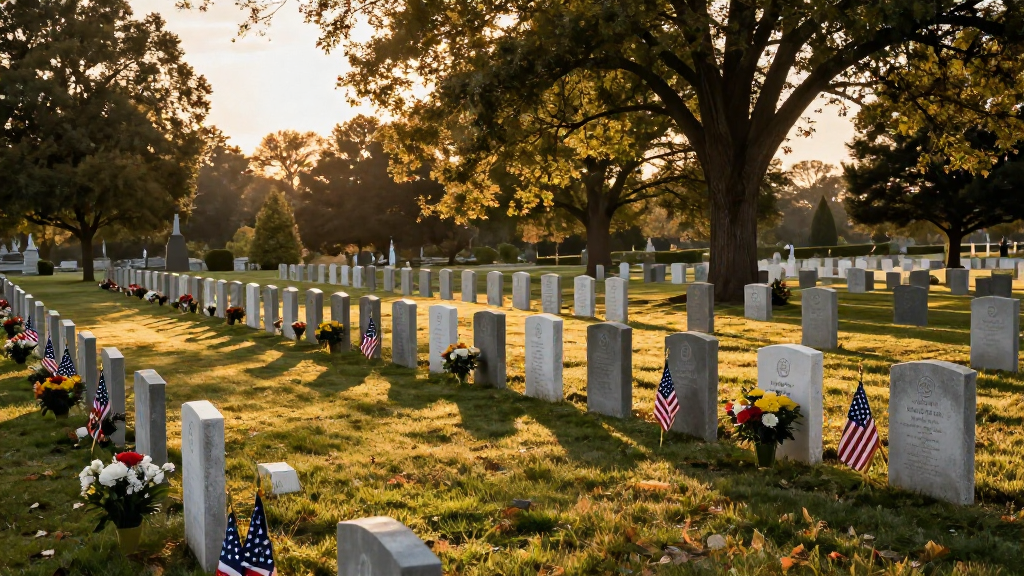
Writing an obituary for a veteran requires sensitivity, respect, and attention to detail. This guide outlines the key components to include and how to honor their service.
What is an Obituary?
An obituary is a notice of a person’s death, often published in newspapers or online. It serves to inform the community of the passing and celebrate the individual’s life.
Purpose of an Obituary
The primary purpose of an obituary is to announce the death. However, it also allows friends and family to share memories and accomplishments that defined the deceased’s life.
Importance of Honoring Veterans
Veterans have often made significant sacrifices for their country. A well-crafted obituary can highlight their service, ensuring they are remembered with the dignity they deserve.
Common Elements of an Obituary
Most obituaries include key information such as the full name, age, date of death, and surviving family members. Adding personal anecdotes can make the obituary more memorable.
How to Structure an Obituary for a Veteran?
Structuring the obituary correctly is crucial in conveying the veteran’s life story effectively. A coherent format helps readers grasp the important details easily.
Standard Format
- Opening Statement: Start with the veteran’s name, age, and date of death.
- Life Overview: Provide a brief history, including birthplace and key milestones.
- Military Service: Highlight their rank, branch, and notable achievements.
- Personal Life: Mention family, hobbies, and interests.
- Funeral Information: Include details about services or memorials.
Using a Narrative Style
Consider writing the obituary in a narrative style, which can be more engaging. This approach allows you to share stories that illustrate the veteran’s character and contributions.
Incorporating Quotes and Anecdotes
Including quotes from family members or friends can add a personal touch. Anecdotes about the veteran’s life can help paint a fuller picture of who they were.
What Should Be Included in the Obituary?
When writing an obituary for a veteran, certain details are essential to ensure the narrative is complete and respectful.
Military Background
Detailing the veteran’s military service is paramount. Include the branch of service, rank, and any honors received, such as medals or commendations.
Life Achievements
Highlight the veteran’s accomplishments outside the military. This could include career achievements, community service, or personal milestones that reflect their life’s work.
Family and Survivors
List surviving family members in a respectful manner. Include names and relationships, ensuring to honor their memory and the impact they had on the veteran’s life.
How to Personalize an Obituary for a Veteran?
Personalization is key to making an obituary resonate with readers. By focusing on the veteran’s unique qualities, you can create a lasting tribute.
Highlighting Character Traits
Consider including specific traits that defined the veteran, such as courage, kindness, or a sense of humor. This can help create a more relatable and vivid image of the individual.
Memorable Experiences
Share memorable experiences that showcase the veteran’s personality. These stories can evoke emotions and connect with readers on a deeper level.
Involvement in the Community
Discuss the veteran’s involvement in community activities or organizations. This can illustrate their dedication to service both in and out of the military.
Where to Publish an Obituary for a Veteran?
Choosing the right platforms to publish the obituary can ensure that it reaches the intended audience effectively.
Local Newspapers
Publishing in a local newspaper is traditional and often reaches family and community members. Consider both print and online options for maximum exposure.
Online Memorial Websites
Online memorial websites provide a space for families to create lasting tributes. Here, you can share photos, stories, and even collect donations for a cause the veteran supported.
Social Media Platforms
Sharing the obituary on social media can help inform a broader audience. Encourage friends and family to share the post to reach even more people.
What Are the Common Mistakes to Avoid?
When crafting an obituary, certain pitfalls should be avoided to ensure clarity and respectfulness.
Overly Formal Language
While an obituary is a serious matter, overly formal language can make it feel disconnected. Aim for a tone that reflects your loved one’s personality.
Neglecting to Proofread
Errors can undermine the credibility of the obituary. Always proofread for spelling and grammatical mistakes to maintain respect for the deceased.
Excessive Length
While details are important, keeping the obituary concise is equally crucial. Aim for clarity and brevity to maintain reader engagement.
How to Seek Help in Writing an Obituary?
If you find it challenging to write the obituary alone, consider seeking assistance from others. This can lighten the emotional burden.
Family and Friends
Involve family members or friends who knew the veteran well. They can provide valuable insights and anecdotes that enrich the obituary.
Professional Services
There are professional obituary writing services available. These can help ensure that the obituary is well-crafted and respectful.
Templates and Examples
Using templates or looking at examples can provide guidance. They can offer a starting point to help structure your thoughts and ideas.
Conclusion
Writing an obituary for a veteran is an important task that requires careful thought and consideration. By following these guidelines, you can create a meaningful tribute that honors their life and service. Remember to focus on their achievements, personality, and the love they shared, ensuring their legacy is celebrated.