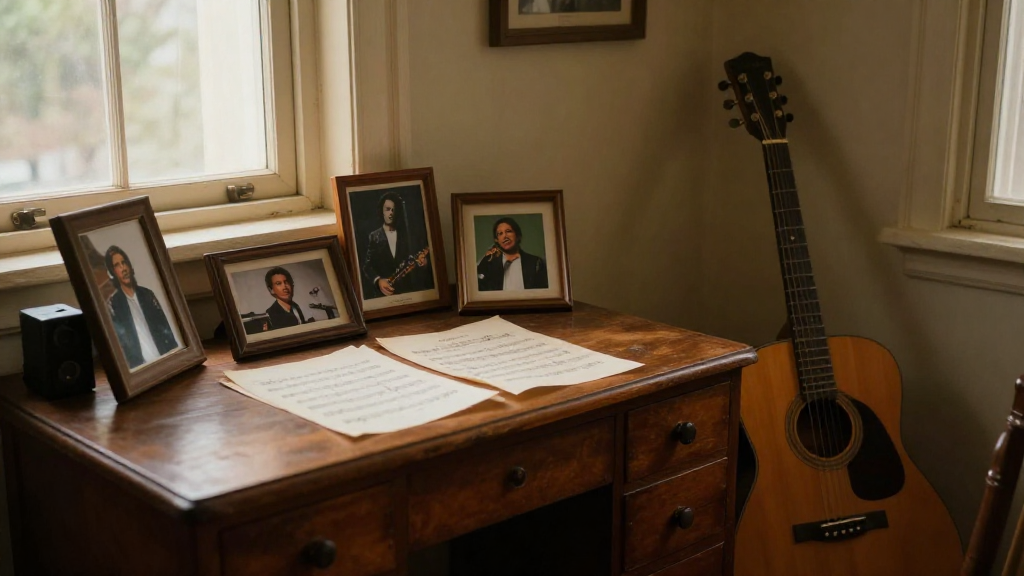
Writing an obituary for a musician requires sensitivity, creativity, and a deep understanding of their contributions to the music world. This article will guide you through the essential steps to create a heartfelt tribute that captures the essence of the artist.
What is the Purpose of an Obituary?
An obituary serves as a formal announcement of a person’s death, outlining their life, achievements, and contributions to society. For musicians, an obituary can also celebrate their artistic impact and legacy.
Honoring Their Legacy
Musicians often leave behind a rich tapestry of work that influences countless lives. An effective obituary should highlight these contributions, detailing their most significant works and performances.
Informing the Community
Beyond honoring, an obituary informs the community about the musician’s passing, allowing fans and peers to pay their respects. This acknowledgment helps keep the musician’s memory alive in the hearts of their audience.
Providing Closure
An obituary also serves as a means of closure for the musician’s family, friends, and fans. It allows those who admired the artist to reflect on their life and contributions, creating a space for collective mourning.
What Should Be Included in an Obituary for a Musician?
When writing an obituary for a musician, specific details are crucial to paint a comprehensive picture of their life and work.
Biographical Information
Start with basic biographical information such as the musician’s full name, date of birth, and date of death. This foundation sets the stage for the tribute.
Musical Achievements
Detail the musician’s key achievements, including albums, awards, and notable performances. Highlighting these milestones showcases their contributions to the music industry.
Personal Touches
Incorporate personal anecdotes or stories that illustrate the musician’s personality. These elements make the obituary more relatable and engaging for readers.
How to Structure the Obituary?
A well-structured obituary ensures clarity and flow, making it easier for readers to grasp the musician’s life story.
Introduction
Open with a strong introduction that states the musician’s name and their significance. This sets the tone for the rest of the obituary.
Body Paragraphs
Organize the body into paragraphs that cover different aspects of the musician’s life, including their early years, career highlights, and personal life. Each paragraph should transition smoothly to maintain coherence.
Conclusion
Conclude the obituary with a heartfelt message or quote that encapsulates the musician’s spirit. This leaves readers with a lasting impression of the artist’s legacy.
What Tone Should You Use?
The tone of the obituary should reflect both the musician’s personality and their contribution to the art form.
Respectful and Formal
Typically, an obituary should maintain a respectful and formal tone. This demonstrates the significance of the musician’s life and work.
Celebratory
While being respectful, it’s also appropriate to adopt a celebratory tone that honors the musician’s achievements and impact. This balance helps convey the joy they brought to others.
Personal and Reflective
Incorporating personal reflections or sentiments from family members or close friends can add warmth and depth to the obituary. This approach humanizes the tribute, making it more relatable.
How to Make It Stand Out?
To create a memorable obituary for a musician, consider unique elements that highlight their individuality.
Use Quotes
Including quotes from the musician, lyrics, or testimonials from peers can add authenticity. Quotes resonate with readers and evoke emotions that reflect the musician’s character.
Visual Elements
Consider incorporating photographs or images of performances. Visuals enhance the narrative and allow readers to connect more deeply with the musician’s legacy.
Personal Reflections
Encourage family members or friends to share brief reflections about the musician. These personal stories enhance the obituary’s emotional weight and offer deeper insights into the artist’s life.
Where to Publish the Obituary?
Choosing the right platform to publish the obituary is crucial for maximizing reach and impact.
Local Newspapers
Publishing in local newspapers ensures that the community is informed about the musician’s passing. This traditional medium is still highly regarded for obituaries.
Online Platforms
Utilizing online platforms, such as social media or music tribute sites, can reach a broader audience. These platforms allow fans to share their memories and condolences, creating a communal space for mourning.
Music Blogs
Consider submitting the obituary to music blogs or websites dedicated to the genre. This targeted approach can engage readers who are specifically interested in the musician’s contributions.
How to Notify the Public?
Once the obituary is written and published, notifying the public is the next important step.
Social Media Announcements
Utilizing social media platforms can help spread the news quickly. Share the obituary on the musician’s official accounts or through fan pages to ensure it reaches a wide audience.
Press Releases
For well-known musicians, issuing a press release to media outlets can garner attention. This formal notification helps inform wider audiences and music enthusiasts.
Community Outreach
Engage with local music communities or organizations to spread the news. This outreach can ensure that those who admired the musician are informed and can participate in memorial events.
Conclusion
Writing an obituary for a musician is a delicate task that requires attention to detail and a deep understanding of the individual’s impact on the music world. By focusing on their achievements, personal stories, and the tone of the piece, you can create a meaningful tribute that honors their legacy. Remember, an effective obituary not only informs but also celebrates the life of the artist, allowing their memory to live on in the hearts of those who loved them.